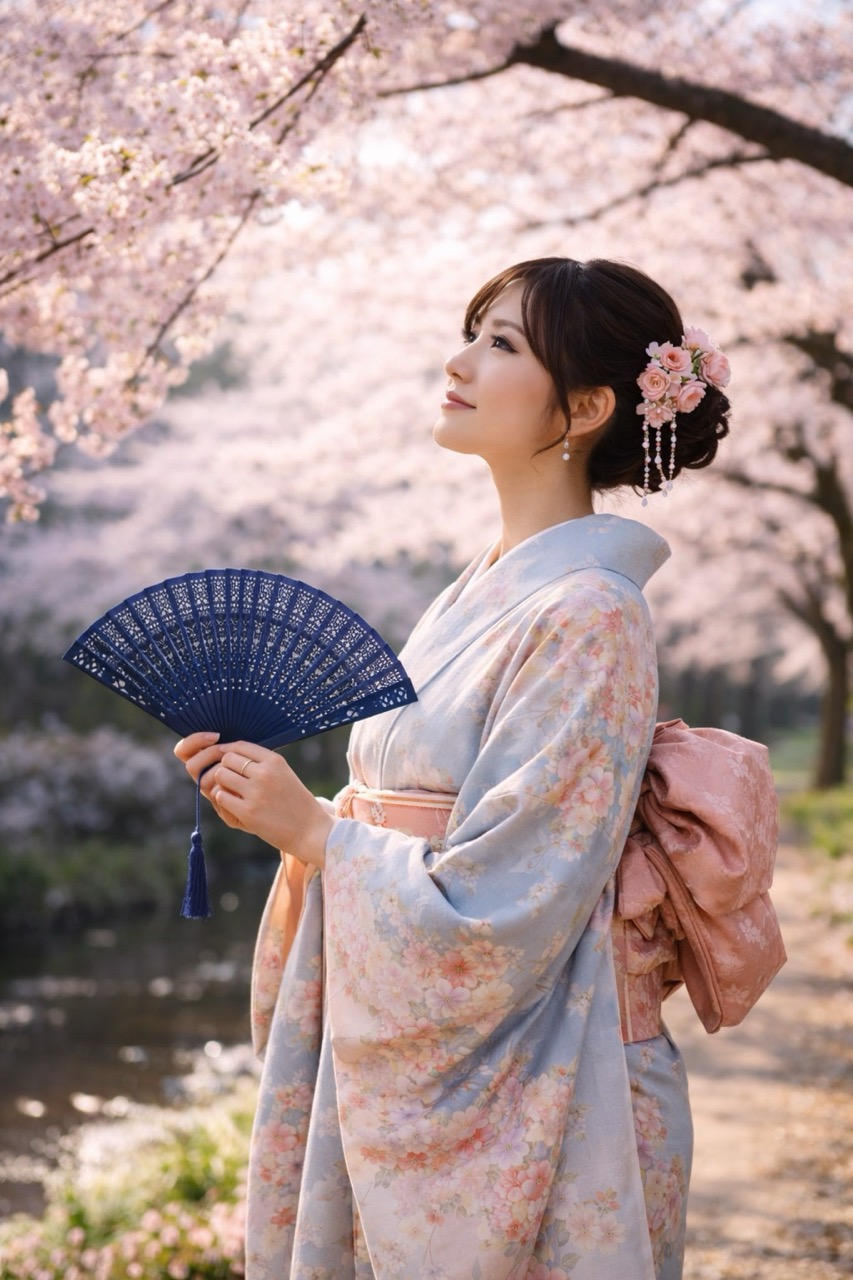
Before America, before the restaurant kitchen, before the years that made her feel smaller than she was, Aiko used to dance under paper lanterns.
Not the polished kind people imagine from postcards. Real festival lanterns. Warm and imperfect. Swaying in summer air outside her hometown near Kyoto while music drifted through narrow streets and neighbors called to one another in the dark.
When she danced, she carried a fan painted with cranes. Her mother had taught her how to move with grace. Her grandmother had taught her how to hold stillness without fear. In those small gestures, Aiko learned that beauty was never loud in Japan. It lived in attention. In restraint. In the quiet meaning behind a single object held well.
She thought that life might be enough. Then she began to fear that if she stayed, it would become too small for the future she wanted.
Leaving did not mean she loved home any less. It meant she was young enough to mistake distance for expansion. She believed that if she crossed an ocean, she might grow into a larger version of herself. What she did not yet understand was that growth and loss often arrive together.
the boat that carried everything she was
When Aiko left Japan, she did not leave in comfort. She crossed the Pacific by boat with too many strangers, too little space, and more fear than she let anyone see.
The ship smelled of salt, metal, and damp clothes that never fully dried. Nights were the hardest. The bunks were narrow, the air was stale, and sleep came in fragments between the sound of coughing, crying children, and waves striking the hull hard enough to make the walls tremble.
During storms, the vessel groaned as if it were struggling to stay whole. Bowls slid. People whispered prayers in languages she did not know. She would grip the cloth bag on her lap and feel for the few things inside: a folded piece of kimono fabric from her mother, and the paper fan she could not bear to leave behind.
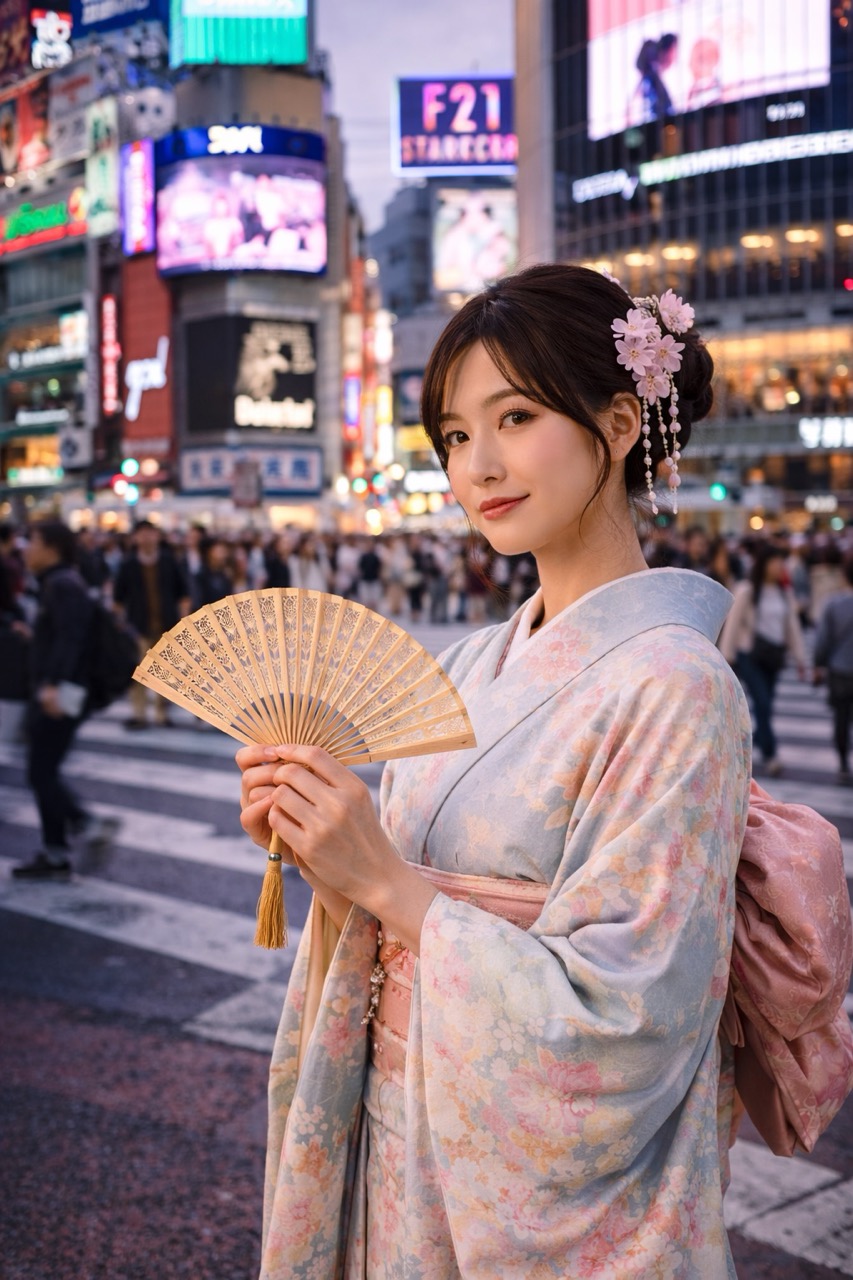
It was delicate. Almost impractical. But that fan reminded her that she was not arriving as no one. She was arriving as herself.
america did not feel like a new beginning
The United States did not greet her with possibility. It greeted her with work.
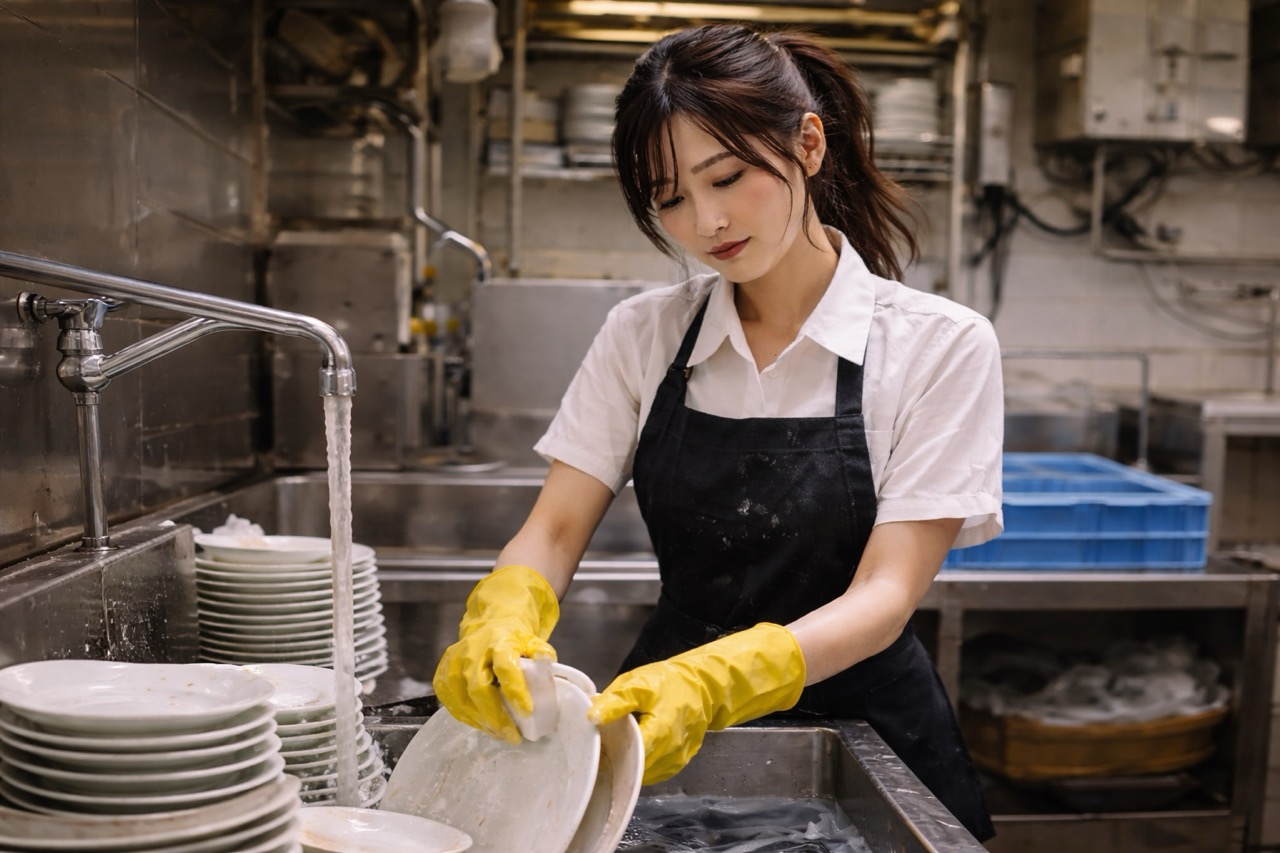
Within weeks, Aiko found a job in the back of a restaurant as a dishwasher. Hour after hour she stood at a sink under fluorescent light, hands burning from hot water and soap, shoulders aching as plates stacked faster than she could clear them.
The conditions were bad even by the standards of people who had learned not to complain. Breaks were short. The floor was always slick. Steam clouded the air. Her apron stayed wet for entire shifts. By the end of the night, her fingers were red and cracked, and the noise of dishes still rang in her ears on the walk home.
Her manager made everything worse. He barked orders from across the kitchen, corrected her in front of everyone, mocked her accent when he was irritated, and treated every mistake like proof that she did not belong there at all.
Some nights she stood outside after closing and wondered if this was what her crossing had bought her: a smaller life in a louder place.
She sent money home when she could. Wrote letters that sounded calmer than she felt. Told her family she was adjusting. That the work was temporary. That she was learning. All of that was true in a technical sense, but none of it captured the loneliness of becoming invisible inside a life you chose.
the quiet breaking point
Nothing dramatic happened. No shouting match. No cinematic exit. Just one night after a long shift, Aiko returned to her apartment, opened a drawer, and found the old paper fan still waiting where she had left it.
She unfolded it slowly. The painted cranes were still there, still mid-flight, still graceful in a way she no longer felt.
And then the realization came with a force that frightened her: she had not danced in years. She had not made anything. She had spent so long surviving that she had nearly disappeared from her own life.
The next morning, she quit. Her manager barely looked up. For him, it was another worker leaving. For Aiko, it was the first honest thing she had done for herself in a very long time.
There was no relief at first. Only fear. But even fear felt cleaner than numbness. She would rather be uncertain as herself than secure in a life that required her to go missing.
finding people who still believed art mattered
She did not have a business plan. She had no certainty at all. What she found first was a local art group that met in a shared studio once a week: painters, printmakers, photographers, ceramicists, people who still spoke about beauty as if it were necessary and not indulgent.
At first she only watched. Then one evening, she brought the fan.
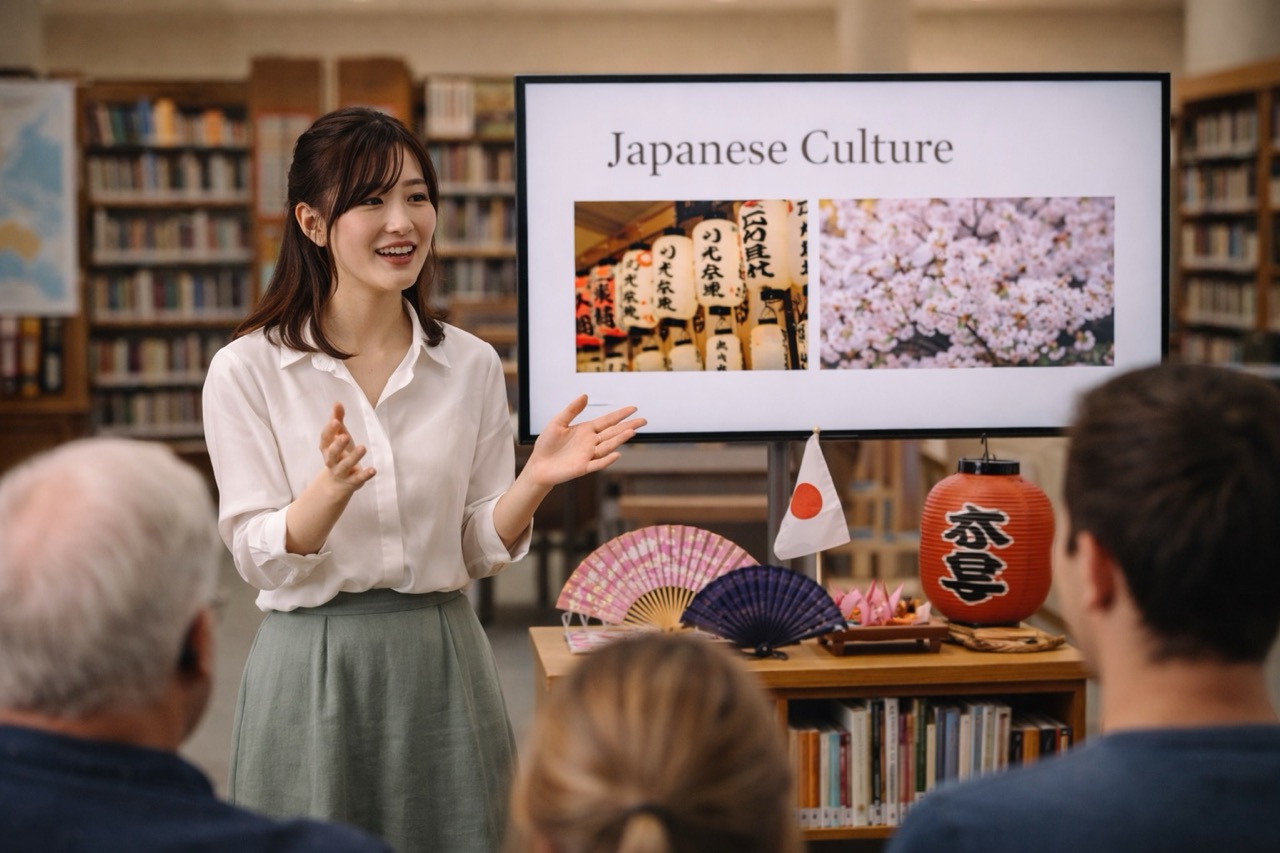
She explained how fans in Japanese dance are not props but extensions of expression. How opening one can signal arrival. How a turn of the wrist can suggest wind, longing, distance, or spring. She spoke about lantern light at festivals, about summer evenings near Kyoto, about the quiet intelligence built into objects meant to be used with care.
The room fell still. Someone finally said what she had not allowed herself to believe:
This is not decoration. It is memory you can hold.
For the first time since arriving in America, Aiko did not feel reduced. She felt recognized.
That recognition mattered because it gave her language for what she wanted to make. Not souvenirs. Not generic "Japanese-inspired" pieces flattened into trend. Objects with lineage. Context. Beauty tied to actual tradition rather than distance from it.
going back to japan changed what she saw
Years after she left, Aiko returned home. Not because America had defeated her. Because she needed to understand what she had carried with her all along.
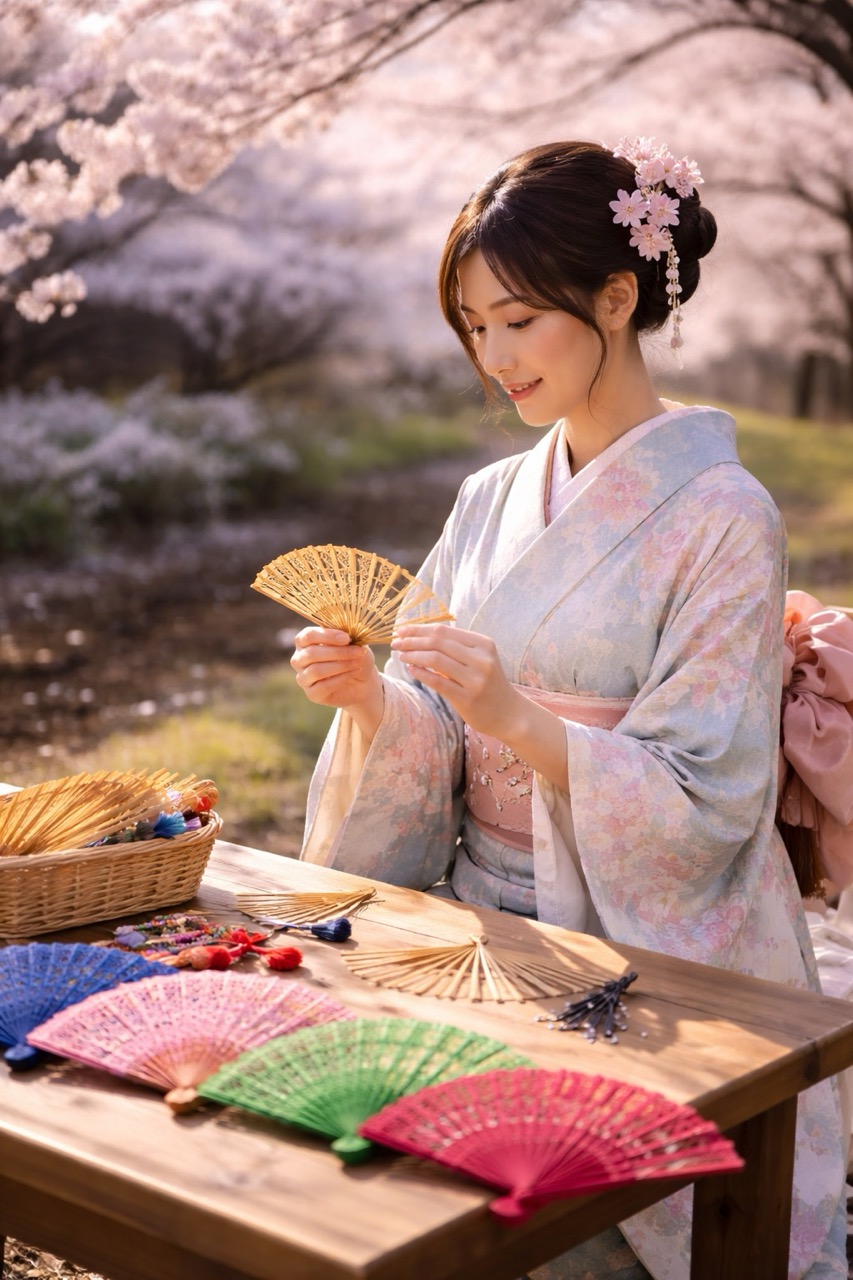
Back in Japan, ordinary things no longer felt ordinary. Lanterns glowing outside a shrine. Sakura drifting into the river. The grain of bamboo ribs in a hand fan. The small pause before an elder wrapped a gift. Everything she had once taken for granted now felt sacred.
She visited artisans and watched them work. She learned how lantern frames were assembled, how paper was chosen, how painted motifs carried seasons and symbolism, how a fan could hold both craftsmanship and philosophy in the space between its folds.
She came back to the United States with more than inventory ideas. She came back with a deeper reverence for Japanese culture, and a clearer sense of responsibility in how she would share it.
She also came back with humility. The trip made one thing clear: if she was going to build a shop, it had to honor the people and traditions behind the objects, not just the visual language outsiders found beautiful. The business would only be worth building if it stayed rooted in respect.
the shop meant something before it sold anything
When Aiko named her shop Blossom & Bamboo, she was naming the two forces that had shaped her life.
Blossom was for cherry blossoms: beauty that does not last, the ache and tenderness of fleeting things, the grace of fully inhabiting a season even when you know it will pass.
Bamboo was for endurance: strength that bends without breaking, quiet resilience, the kind of survival that leaves you softer in some places and stronger in others.
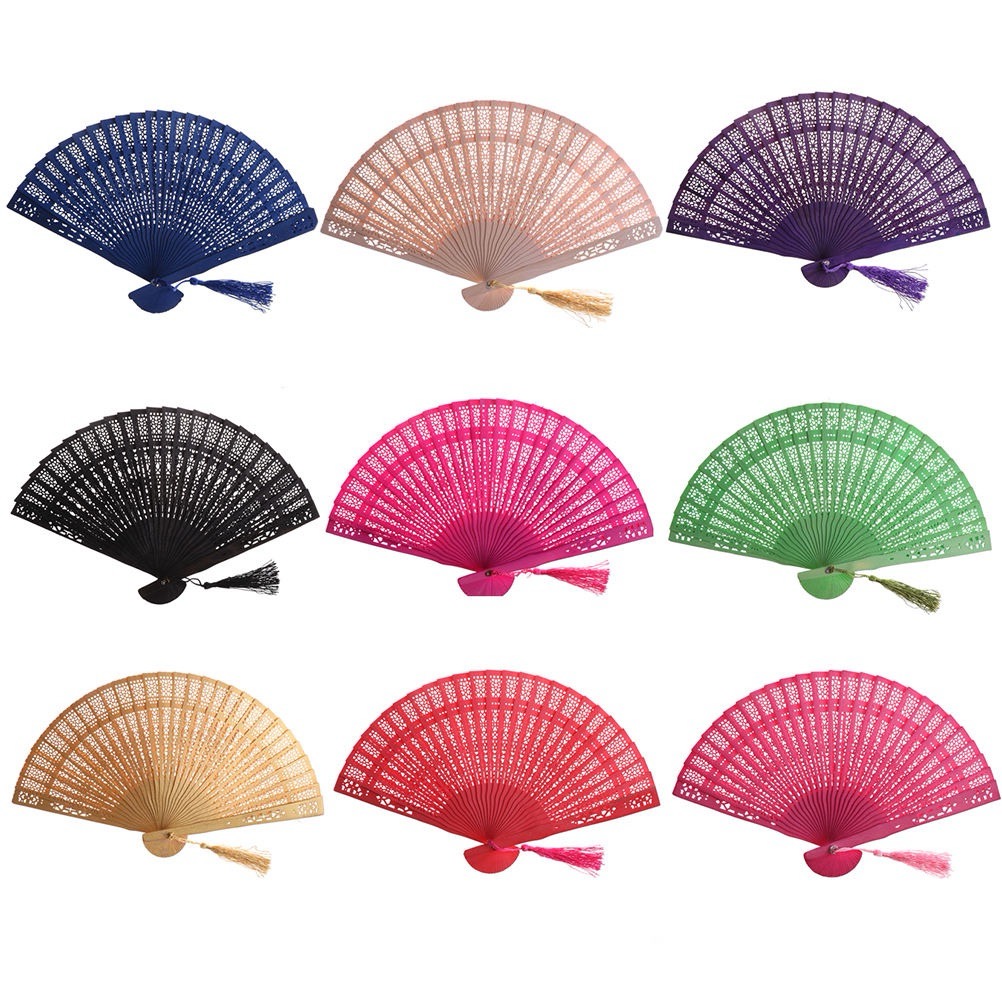
She did not want the shop to feel like a trend piece wrapped around borrowed imagery. She wanted it to feel like an invitation into a way of seeing. So every detail was chosen with intention. Blush pinks, warm creams, soft wood tones, pale sage, faded indigo. Packaging that felt calm in the hands. Product notes that explained symbolism instead of flattening it. Photography that let each object breathe.
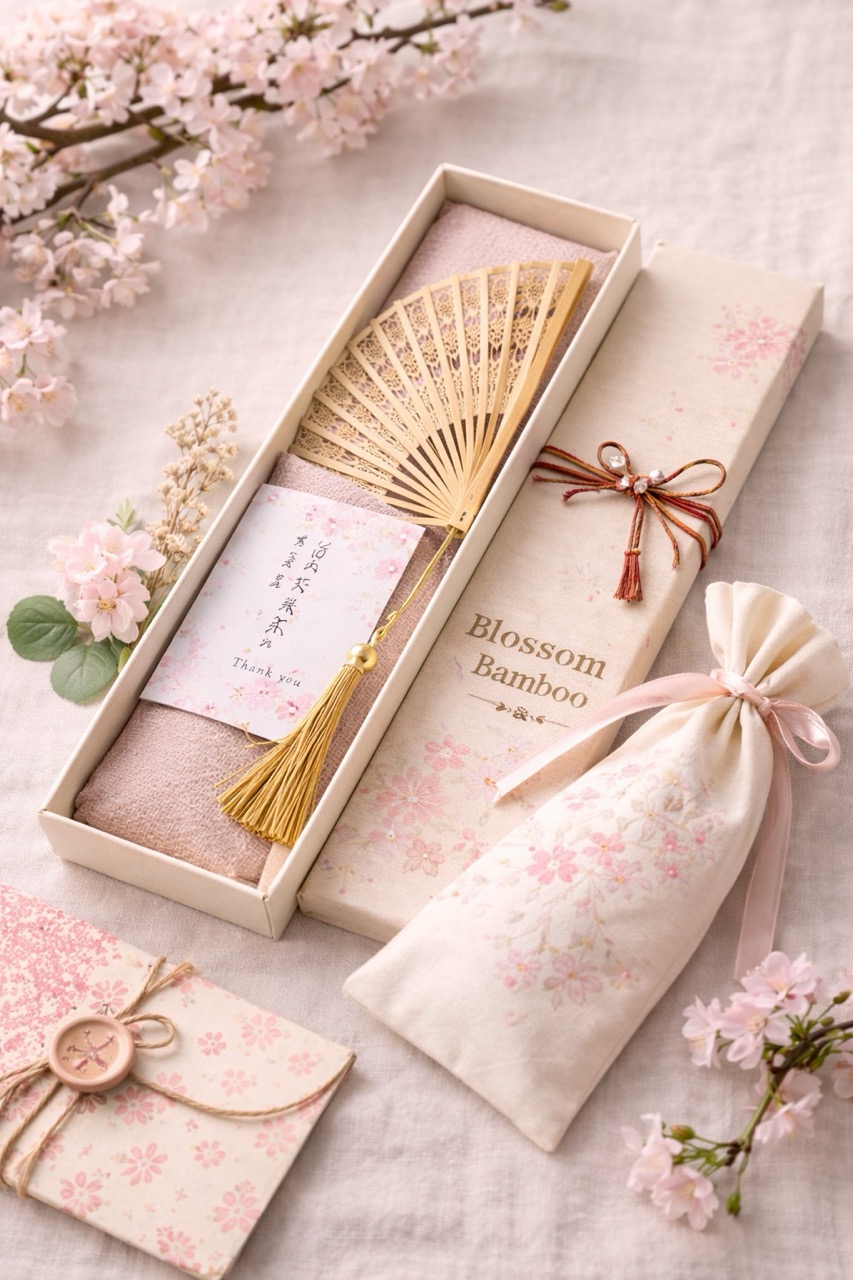
At first, she shared fans and lanterns with her circle: friends from the studio, neighbors, customers from small cultural events, people who had heard her speak and wanted to bring some of that meaning home with them.
Then orders started coming from friends of friends. Then from people she had never met. So she opened an online shop, not to scale something empty, but to build a bridge that could travel farther than she could on her own.
Online, she treated every page as part of the experience. Descriptions explained symbolism. Collections were organized around seasons, gestures, and occasions rather than generic categories. Even the copy slowed down. She wanted visitors to feel guided, not sold to.
bringing japanese culture into american homes
Today, Aiko still thinks carefully about what it means to ship something across the country. A fan is never just a fan to her. A lantern is never just a lantern. Each piece carries memory, craft, and cultural weight.
That is why people connect with Blossom & Bamboo. They are not just buying an object. They are receiving context, symbolism, and a sense that someone cared enough not to rush the story.
Her goal now is bigger than sales. She wants to expand across the states without losing intimacy. More artisans. More educational notes. More thoughtful collections that help American homes engage with Japanese culture as something living, layered, and deeply human.
Sometimes, late at night, she still takes out the first fan, the one that crossed the ocean with her. It is worn now. Fragile at the edges. But when she holds it, she remembers the storms, the sink, the fluorescent light, the art room, the lanterns, the return, the choice to begin again.
She once thought leaving Japan meant losing it.
Now she understands the opposite can also be true. Sometimes distance reveals value. Sometimes hardship teaches reverence. Sometimes the thing you spend years trying not to lose becomes the very thing you are meant to carry forward for other people.
Instead, the journey taught her how to carry it farther.